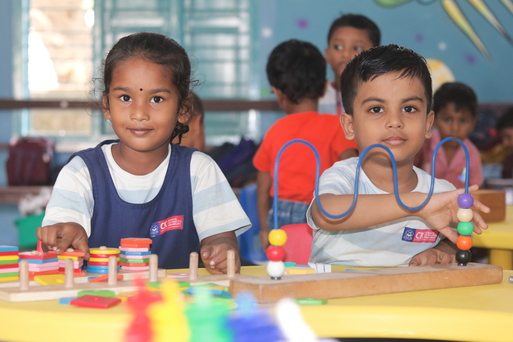
Every student learns math, science, and history. But there’s something just as important — soft skills and language skills. These are essential life skills that help students communicate more effectively, collaborate in teams, and develop into confident individuals.
Why Soft and Language Skills Matter
When students know how to express their ideas clearly and handle situations calmly, they perform better, not just in school, but in life. That’s what soft skills in school and language skills in school do. They prepare students for the real world, not just exams.
1. Builds Confidence and Communication
Learning language skills in school helps students speak, write, and express themselves clearly. Whether it’s a classroom discussion or a school event, strong communication builds confidence and helps students take part actively.
2. Improves Teamwork and Leadership
Soft skills like teamwork, listening, and empathy teach students to work well with others. They learn to respect different opinions, take responsibility, and lead when needed. These benefits of teaching soft skills stay with them long after school life ends.
3. Better Problem-Solving and Decision-Making
When students develop soft skills, they learn how to think calmly and handle challenges wisely. They find solutions, make fair decisions, and bounce back from setbacks. These abilities make both learning and life easier.
4. Makes Learning Easier
Good communication helps students understand lessons better. When they can express their thoughts clearly, they perform better in every subject, from writing essays to explaining math problems.
5. Prepares Students for the Future
In today’s world, success isn’t only about grades. Employers and universities look for people who can communicate, adapt, and solve problems. The benefits of learning soft and language skills in school appear later when students step into college or their careers.
6. Helps in Personal Growth
Soft skills also help students manage emotions, stay positive, and deal with challenges calmly. These habits shape how students think, act, and grow into kind, confident people.
How Schools Can Teach These Skills
Here are some simple ways schools can include soft skills and language skills in everyday learning:
- Storytelling and daily conversation activities
- Group tasks and role-playing games
- Show-and-tell sessions to build speaking confidence
- Short reading and reflection exercises
- Encouraging teamwork and time management through small projects
These small steps, when practiced regularly, make a big difference in how students learn and grow.
A School That Focuses on Real-Life Learning
At CK School of Practical Knowledge, students don’t just learn from books; they learn from experiences. The school strongly focuses on teaching soft skills and language skills as part of daily learning. Through interactive classes, group projects, and communication-based activities, CK School helps every student speak with confidence, think clearly, and work well with others.
Because at CK School, education isn’t just about passing exams, it’s about preparing for life.
FAQs
Q: Why are soft and language skills important in school?
They help students communicate better, work in teams, and grow in confidence — skills that support success in every subject.
Q: Can soft skills be taught at an early age?
Yes. Even preschoolers can learn basic social and communication skills through stories and play.
Q: How can parents support this at home?
Encourage children to speak freely, listen carefully, and read regularly. Simple daily conversations help a lot.
Q: Are there schools that focus on both soft and language skills?
Yes. Many schools now integrate these lessons into their daily schedule to help children grow socially and academically.